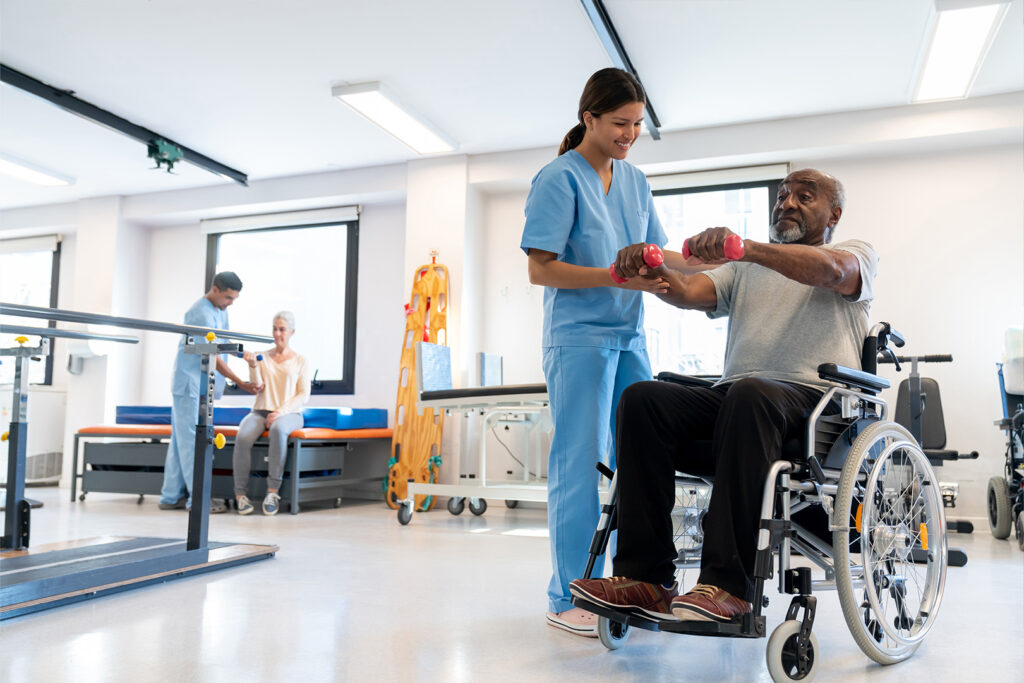
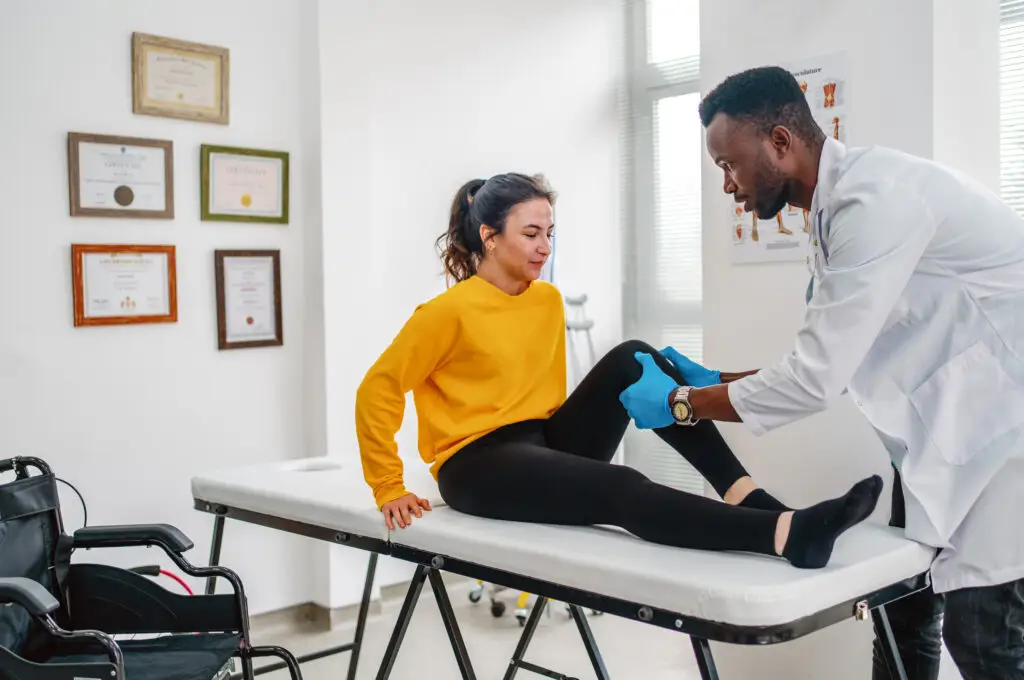
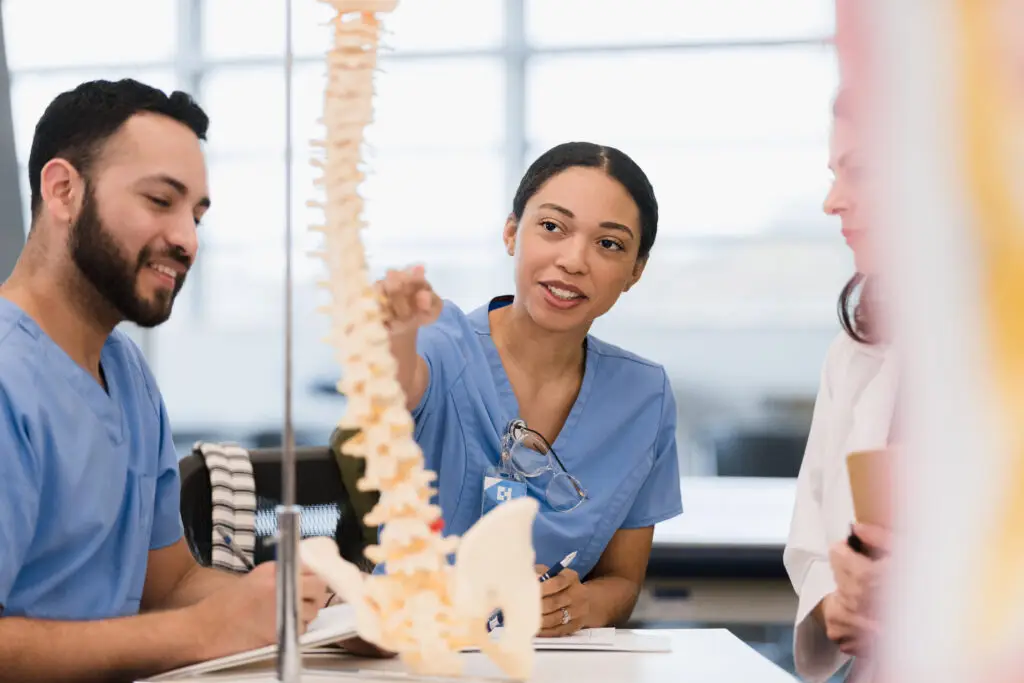
Our team of licensed physical therapists, therapy assistants, and board-certified physiatrists is dedicated to helping you recover after an accident. We specialize in treating conditions affecting the spinal cord, nerves, bones, and muscles that are common in personal injury cases. From your initial evaluation to the completion of your comprehensive treatment program, we are with you every step of the way, focused on helping you regain your independence and return to your daily activities.
Your Personalized Rehabilitation Plan
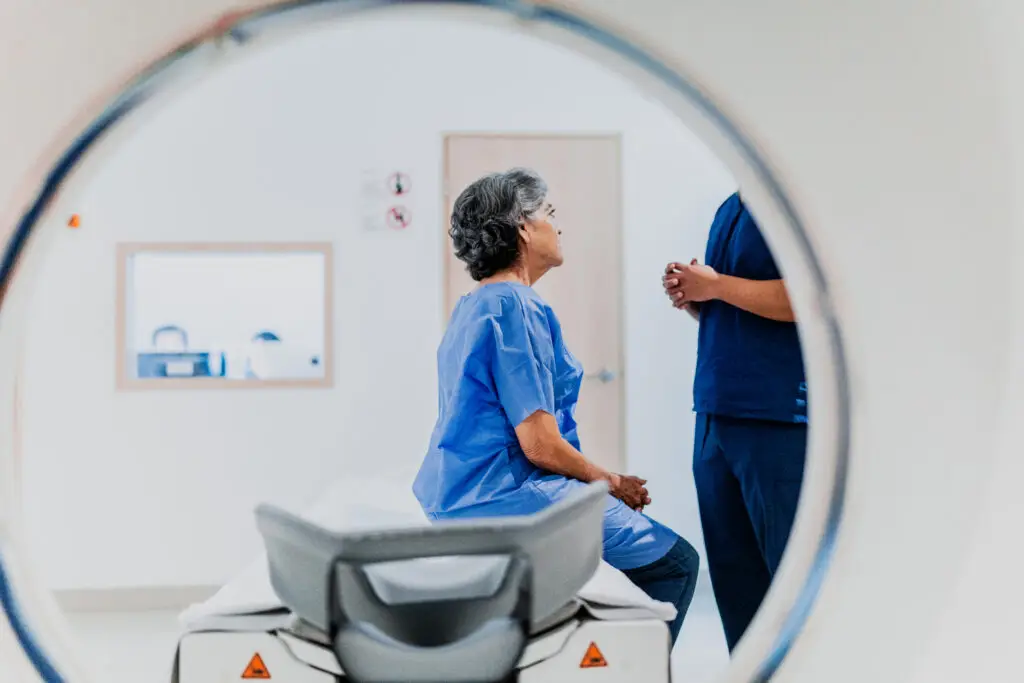
Following an accurate diagnosis, the next step is a strategic, personalized rehabilitation plan. Our physiatrists and therapists collaborate to develop a program based on your specific injuries, medical history, and personal recovery goals. This is not a one-size-fits-all approach; it is a carefully structured plan designed to support your body’s healing process, manage pain, and safely guide you back to your daily routine.
Physical Therapy: The Cornerstone of Your Recovery
Physical therapy is a central and essential component of recovery after an accident. Our licensed therapists design targeted programs to improve your flexibility, rebuild strength, and enhance your overall mobility and range of motion. Through guided exercises and hands-on care, our patients achieve substantial and lasting benefits, empowering them to move forward with confidence.
If you were in an accident, you may be able to collect money to cover your medical care. Complete the form below, and someone from our team will contact you to identify a trusted attorney from our network who may be able to help you.
Prefer to call us? Dial (888) 810-2455 to set up a free in-person or virtual appointment with one of our board-certified doctors.
All The Services Accident Victims Need Under One Roof
injury, accident, psychology, patient, therapy, lawyer, insurance, strain, pain, exercise, physical therapy, personal injury, range of motion, muscle, burn, quality of life, joint, neck, flexibility, health, surgery, knee, tissue, shoulder, spinal cord, inflammation, stiffness, evaluation, ultrasound, pain management, bone, stress, nerve, manual therapy, car accident, car accident victims, auto accident, accidents, victims, injuries, accident victims, car accident injury, stretching, back pain, healing, balance, motion, ligament, goal, cryotherapy, medical history, attention, muscle tone, bruise, tendon, physical examination, arm, stimulation, mental health, goal setting, hip, headache, motivation, migraine, coping, disease, medical specialty, neurology, medicine, electrodiagnostic medicine, medication, nervous system, central nervous system, neuromuscular junction, electromyography, multiple sclerosis, radiculopathy, education, transverse myelitis, vulvodynia, long covid, health care, physical, rehabilitation medicine, patients, board certification, management, myelitis, patient advocacy, uterus, residency, technology, speech, pathology, activities of daily living, doctor of medicine, skill, orthopedic surgery, prosthesis, medical school, language, weakness, allied health professions, geriatrics, disorders
Frequently Asked Questions
How to start rehabilitation?
Starting rehabilitation involves scheduling an initial consultation with a healthcare provider who specializes in rehabilitation medicine. They will assess your condition and create a personalized treatment plan tailored to your recovery needs.
How long is rehabilitation?
The duration of rehabilitation can vary significantly based on individual needs, the severity of injuries, and specific treatment plans, typically ranging from a few weeks to several months.
What are rehabilitation goals?
Rehabilitation goals are specific objectives set to guide recovery, focusing on restoring functionality, enhancing mobility, and improving overall quality of life for accident victims through tailored rehabilitation and physical therapy plans.
How is rehabilitation done?
Rehabilitation is done through a personalized approach that includes assessments, tailored treatment plans, and various therapeutic interventions such as physical therapy, occupational therapy, and counseling to support recovery and improve functionality.
What is rehabilitation process?
The rehabilitation process involves a series of personalized treatment plans aimed at helping individuals recover from injuries or illnesses. It focuses on restoring physical function and improving quality of life through targeted therapies and support.
Who needs rehabilitation medicine?
Rehabilitation medicine is essential for individuals recovering from accidents, injuries, surgeries, or chronic conditions. It benefits those who require personalized treatment plans to regain function, improve mobility, and enhance their overall quality of life.
What are rehabilitation techniques?
Rehabilitation techniques are methods used to help individuals recover from injuries or disabilities. These may include physical therapy, occupational therapy, and various therapeutic exercises tailored to restore function and improve quality of life.
How does rehabilitation work?
Rehabilitation works by assessing an individual's specific needs and creating a tailored treatment plan. This process involves various therapies, including physical therapy, to restore function, improve mobility, and support recovery after an injury or illness.
Is rehabilitation necessary?
Rehabilitation is necessary for effective recovery after an accident. It helps restore function, improve mobility, and alleviate pain, ensuring a personalized approach to healing that supports overall well-being and enhances quality of life.
What types of rehabilitation are available?
The types of rehabilitation available at CitiMED include physical therapy, occupational therapy, and speech therapy, each tailored to support recovery from injuries and enhance overall functionality.
How to choose a rehabilitation program?
Choosing a rehabilitation program involves assessing your specific needs, consulting with healthcare professionals, and considering factors like the program's specialization, location, and success rates to ensure the best fit for your recovery journey.
What factors affect rehabilitation duration?
The factors that affect rehabilitation duration include the severity of the injury, the individual's overall health, adherence to the rehabilitation plan, and the type of therapy provided. Each person's recovery journey is unique, influencing the time needed for rehabilitation.
What are common rehabilitation challenges?
Common rehabilitation challenges include physical limitations, emotional barriers, and a lack of motivation. Patients may struggle with pain management, adjusting to new routines, and maintaining consistency in therapy, which can hinder their recovery progress.
How to measure rehabilitation progress?
Measuring rehabilitation progress involves tracking improvements in physical function, pain levels, and overall mobility through regular assessments and feedback from both patients and therapists.
What role does family play in rehabilitation?
The role of family in rehabilitation is crucial, as their support and involvement can significantly enhance a patient's motivation, emotional well-being, and overall recovery process. Family members often provide encouragement, assist with therapy exercises, and help create a positive environment for healing.
What is the cost of rehabilitation services?
The cost of rehabilitation services varies based on the specific treatment plan and individual needs. For detailed pricing information, please contact CitiMED directly to discuss your situation and receive a personalized estimate.
How to prepare for rehabilitation sessions?
Preparing for rehabilitation sessions involves wearing comfortable clothing, bringing any necessary medical documents, and being ready to discuss your goals and concerns with your therapist. This helps ensure a productive and personalized recovery experience.
What are the signs of successful rehabilitation?
The signs of successful rehabilitation include improved mobility, increased strength, enhanced pain management, and the ability to perform daily activities independently. Additionally, positive feedback from both the patient and healthcare providers indicates progress in the recovery journey.
How to maintain progress after rehabilitation?
Maintaining progress after rehabilitation involves consistently following your personalized exercise plan, attending follow-up appointments, and incorporating healthy habits into your daily routine. Staying motivated and seeking support from professionals can also enhance your recovery journey.
What is the role of physical therapy?
The role of physical therapy is to aid in the recovery process by restoring movement, improving function, and alleviating pain after injuries or surgeries. It involves personalized treatment plans tailored to individual needs, promoting overall rehabilitation and wellness.
How does rehabilitation support mental health?
Rehabilitation supports mental health by fostering a sense of achievement, enhancing coping skills, and providing social support. This holistic approach not only aids physical recovery but also promotes emotional well-being, helping individuals regain confidence and improve their overall quality of life.
What are the latest rehabilitation techniques?
The latest rehabilitation techniques include advanced modalities such as virtual reality therapy, robotic-assisted rehabilitation, and neuromuscular electrical stimulation, which enhance recovery by providing personalized and engaging treatment options for patients.
How to find a rehabilitation specialist?
Finding a rehabilitation specialist involves researching local healthcare providers, checking credentials and specialties, and reading patient reviews. You can also ask your primary care physician for recommendations tailored to your specific recovery needs.
What should I expect during rehabilitation?
During rehabilitation, you can expect a personalized treatment plan tailored to your needs, guided by our experienced medical team. This process will involve physical therapy sessions focused on improving your strength, mobility, and overall recovery.
How to cope with rehabilitation setbacks?
Coping with rehabilitation setbacks involves maintaining a positive mindset, setting realistic goals, and seeking support from healthcare professionals and loved ones. Consistent communication with your rehabilitation team can also help adjust your plan and keep you motivated.
What is the importance of patient motivation?
The importance of patient motivation lies in its significant impact on recovery outcomes. Motivated patients are more likely to engage actively in their rehabilitation, adhere to treatment plans, and achieve better overall results in their recovery journey.
How does rehabilitation differ for children?
Rehabilitation for children differs significantly from that for adults due to their unique developmental needs and growth patterns. Treatment plans are tailored to accommodate these factors, focusing on play-based therapies and engaging activities to promote recovery effectively.
What are the benefits of group therapy?
The benefits of group therapy include enhanced support through shared experiences, improved communication skills, and a sense of belonging. Participants often find motivation and encouragement from others, which can significantly aid in their recovery journey.
How to integrate rehabilitation into daily life?
Integrating rehabilitation into daily life involves incorporating therapeutic exercises and routines into your everyday activities. Set achievable goals, use reminders, and engage in consistent practice to enhance recovery and maintain progress.
What is the role of technology in rehabilitation?
The role of technology in rehabilitation is crucial as it enhances treatment effectiveness through innovative tools like telehealth, wearable devices, and virtual reality, facilitating personalized therapy and improving patient engagement in their recovery process.
Rehabilitation, Therapy, Recovery, Mobility, Independence, Physiatrists, Therapists, Accident, Injury, Rehabilitation medicine for accident victims, Restoring your strength and mobility, Personalized rehabilitation plan, Physical therapy for accident recovery, Regain independence after an injury, Board-certified physiatrists, Licensed physical therapists, Improve your range of motion, Return to daily activities faster, The cornerstone of your recovery