A serious spinal injury requires exceptional care. At CitiMED, we coordinate your surgery with leading orthopedic surgeons to treat traumatic injuries. We manage every detail of your care so your only priority is to heal and recover your well-being and peace of mind.
Understanding the Need for Spine Surgery
Surgery is an option for severe injuries like fractures or herniations causing pain and instability. We facilitate your precise diagnosis and consultation with a specialist to determine the most effective and safe treatment to ensure your long-term functional recovery.
Common Conditions and Procedures:
Minimally Invasive Spine Surgery
Laminotomy / Foraminotomy / Discectomy
Endoscopic Decompression / Discectomy
Anterior & Lateral Lumbar Fusion (ALIF / LLIF)
Transforaminal Lumbar Interbody Fusion (TLIF)
Anterior Cervical Discectomy with Fusion (ACDF)
Artificial Cervical & Lumbar Total Disc Replacement
SI Joint Fusion
Kyphoplasty / Vertebroplasty
Interventional Pain Management
The Path to Recovery
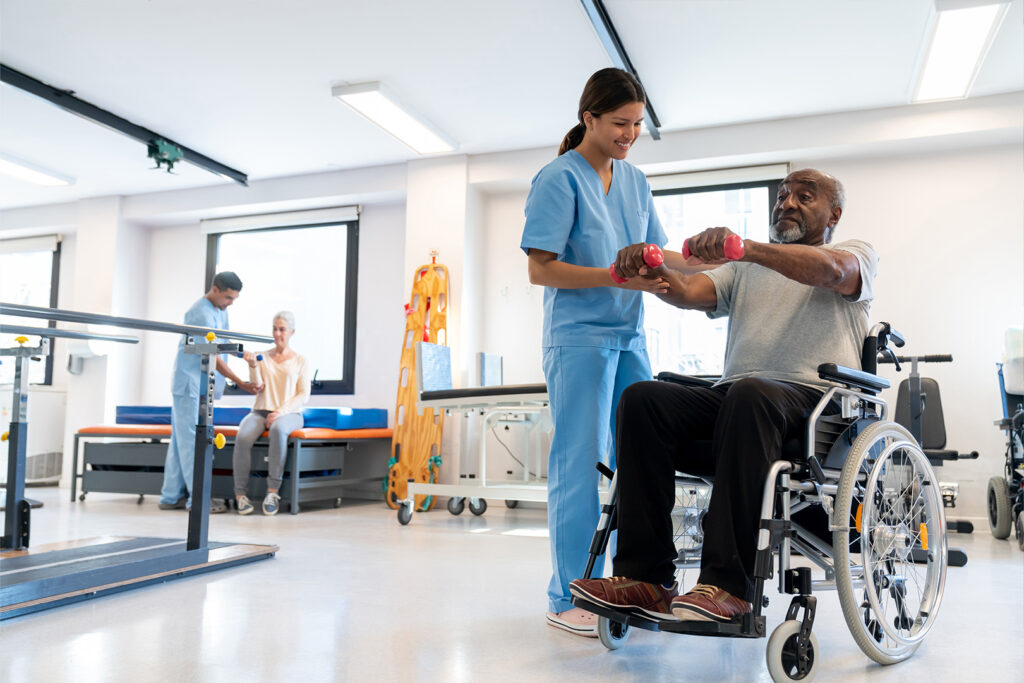
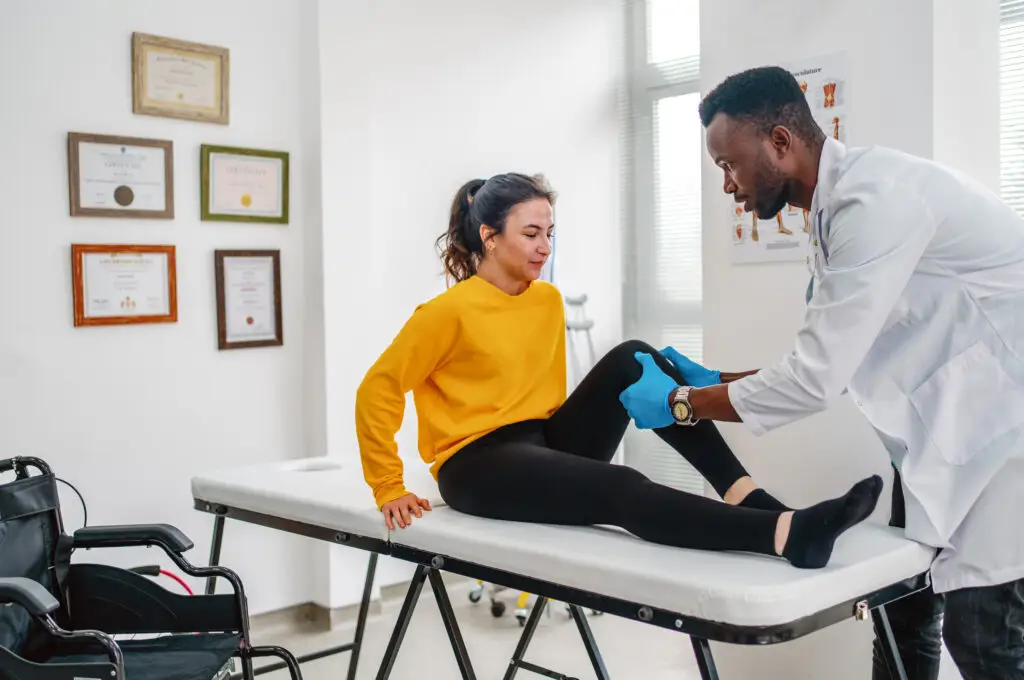
Your recovery is our priority after surgery. We coordinate your postoperative rehabilitation and physical therapy plan to restore your strength and mobility. We manage all your follow-up appointments to ensure a successful and complication-free healing process.
Suffering from back or neck pain after an accident? Contact us for an evaluation. Our compassionate team is here to answer your questions and coordinate a consultation to define the best path for your complete recovery and restore your quality of life.
Prefer to call us? Dial (888) 810-2455 to set up a free in-person or virtual appointment with one of our board-certified doctors.
All The Services Accident Victims Need Under One Roof
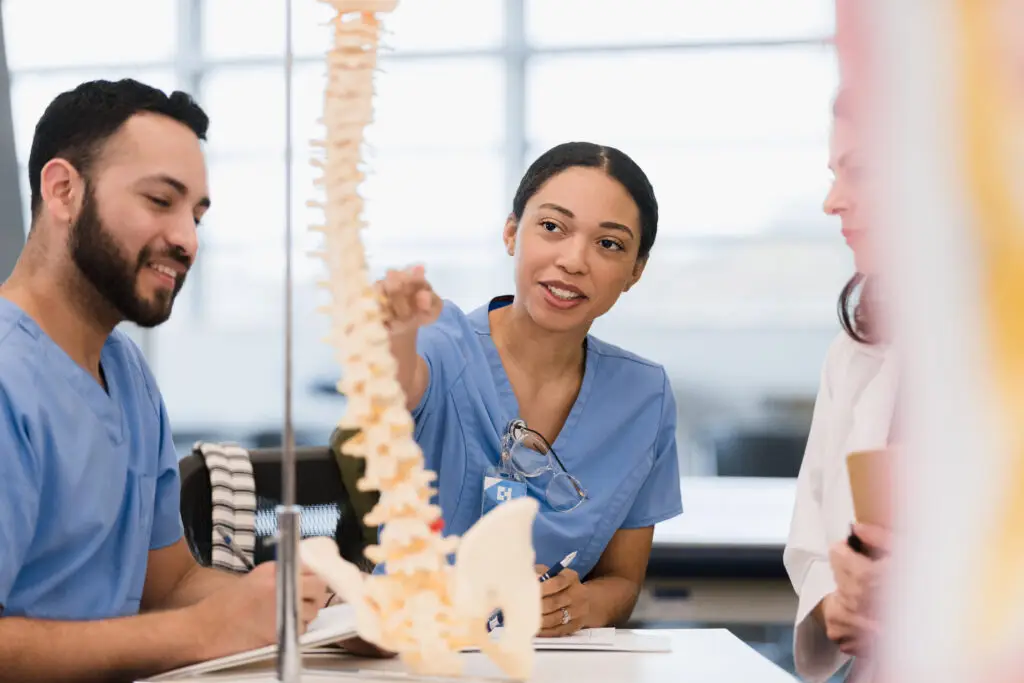
Choosing expert surgeons involves evaluating their qualifications, experience in specific procedures, patient reviews, and their ability to communicate effectively. Consider their track record with similar cases and ensure they are affiliated with reputable healthcare institutions.
Is spinal injury common?
Spinal injuries are relatively common, particularly among individuals involved in high-impact sports, accidents, or falls. Understanding their prevalence highlights the importance of seeking specialized care for effective treatment and recovery.
Can experts treat spine fractures?
Experts can effectively treat spine fractures through a combination of surgical and non-surgical methods, tailored to the specific needs of each patient, ensuring optimal recovery and rehabilitation.
What is orthopedic spine surgery?
Orthopedic spine surgery is a specialized medical procedure focused on diagnosing and treating conditions affecting the spine, including injuries, deformities, and degenerative diseases, to restore function and alleviate pain.
Can spinal injury occur suddenly?
Spinal injuries can occur suddenly due to traumatic events such as falls, accidents, or sports injuries. These incidents can lead to immediate damage to the spine, necessitating prompt medical attention.
Can spinal injury be prevented?
Spinal injuries can often be prevented through proactive measures. Engaging in regular exercise, maintaining proper posture, using ergonomic furniture, and wearing appropriate safety gear during high-risk activities can significantly reduce the risk of spinal injuries.
How is spinal injury diagnosed?
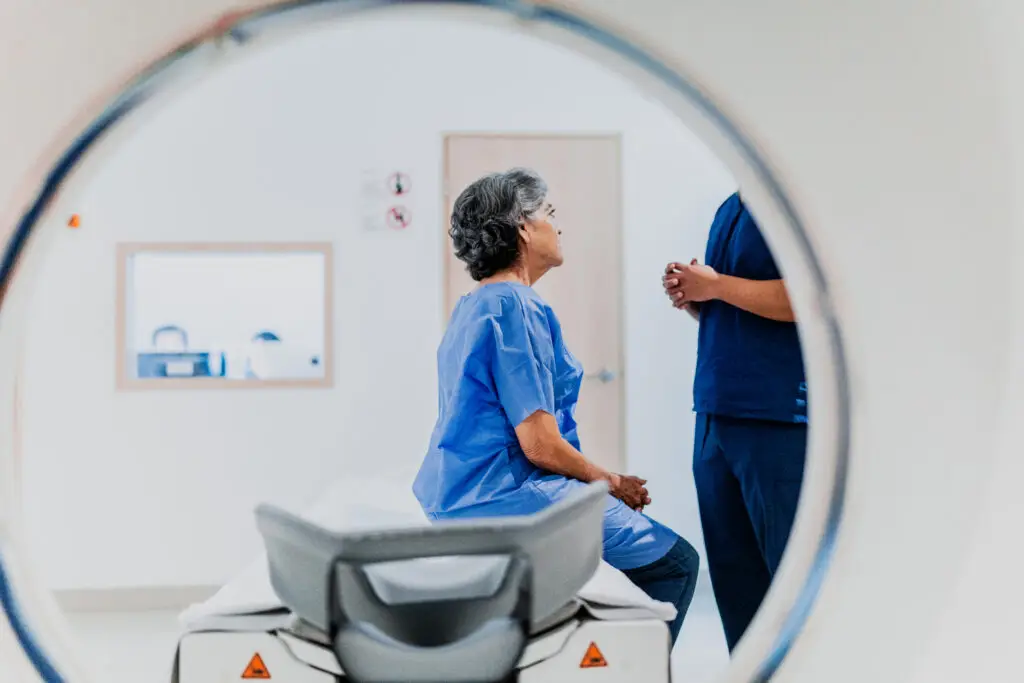
The diagnosis of spinal injury involves a comprehensive evaluation, including a physical examination, medical history review, and imaging tests such as X-rays, MRIs, or CT scans to assess the extent of the injury.
What are spinal injuries?
Spinal injuries are damage to the vertebrae, discs, or spinal cord that can result from trauma, such as falls or accidents. These injuries may lead to pain, loss of mobility, or neurological complications, requiring specialized medical care.
Do experts use minimally invasive?
Experts frequently utilize minimally invasive techniques in orthopedic spine surgery. These approaches reduce recovery time, minimize pain, and lower the risk of complications, making them a preferred choice for many patients with spinal conditions.
What are spinal injury types?
The types of spinal injuries include fractures, herniated discs, spinal cord injuries, and degenerative disc disease. Each type can affect mobility and require specific treatment approaches for optimal recovery.
What is spine surgery recovery?
Spine surgery recovery involves the healing process following spinal surgery, which includes managing pain, gradually increasing activity levels, and participating in rehabilitation to restore strength and mobility. Proper recovery is essential for optimal outcomes.
Can spinal injury recur?
Spinal injuries can recur. Factors such as inadequate rehabilitation, underlying health conditions, or engaging in high-risk activities may increase the likelihood of re-injury. It's essential to follow your healthcare provider's recommendations to minimize this risk.
How to find expert spine surgeons?
Finding expert spine surgeons involves researching qualified specialists through reputable healthcare providers, reading patient reviews, and consulting with your primary care physician for recommendations. Additionally, consider checking credentials and experience in orthopedic spine surgery.
How is spinal injury treated?
Spinal injuries are treated through a combination of non-surgical and surgical methods, including physical therapy, medication, and, when necessary, orthopedic surgery to repair damage and restore function. Coordination of care is essential for optimal recovery.
Is surgery always necessary?
Surgery is not always necessary for spinal issues. Many conditions can be effectively managed with non-surgical treatments such as physical therapy, medication, or lifestyle changes. A thorough evaluation by our specialists will help determine the best approach for your situation.
How is spine surgery done?
Spine surgery is performed by making incisions to access the spine, allowing surgeons to remove or repair damaged discs, bones, or tissues. Advanced techniques, such as minimally invasive surgery, may be utilized to enhance recovery and reduce pain.
How long is recovery?
The recovery period after orthopedic spine surgery varies by individual and procedure, typically ranging from a few weeks to several months. Factors such as overall health, the complexity of the surgery, and adherence to rehabilitation protocols play a crucial role in recovery time.
What are surgical risks?
Surgical risks are potential complications that may arise during or after a surgical procedure. These can include infection, bleeding, anesthesia reactions, and complications related to the specific surgery performed.
Is spine surgery painful?
The pain associated with spine surgery varies by individual and procedure, but effective pain management strategies are implemented to minimize discomfort during recovery. Most patients experience manageable pain that improves over time with proper care.
What are surgical options?
The surgical options for spinal conditions vary depending on the specific diagnosis and severity. Common procedures include discectomy, laminectomy, spinal fusion, and artificial disc replacement, all aimed at relieving pain and restoring function.
Can spine surgery fail?
Spine surgery can fail in some cases. Factors such as the complexity of the condition, the patient's health, and adherence to post-operative care can influence the outcome, leading to persistent pain or complications despite the procedure.
Can spinal injury be cured?
Spinal injuries can often be managed effectively, but complete cures depend on the severity and type of injury. Treatment may involve surgery, rehabilitation, and ongoing care to improve function and quality of life.
What are spinal injury symptoms?
The symptoms of spinal injuries can include severe back pain, numbness or tingling in the limbs, weakness, and difficulty with coordination or balance. In some cases, patients may also experience loss of bladder or bowel control.
What are common complications?
Common complications from orthopedic spine surgery may include infection, blood clots, nerve damage, and issues with anesthesia. Additionally, there may be risks of persistent pain or complications related to implant failure.
Do experts use latest technology?
Experts at CitiMED utilize the latest technology in orthopedic spine surgery to ensure optimal patient outcomes. This commitment to advanced medical equipment and techniques enhances precision and effectiveness in diagnosing and treating spinal conditions.
What is spinal deformity treatment?
Spinal deformity treatment involves medical interventions aimed at correcting structural abnormalities of the spine, such as scoliosis or kyphosis. This can include surgical procedures, physical therapy, and bracing to restore proper alignment and function.
What is spinal tumor treatment?
Spinal tumor treatment involves various approaches, including surgery, radiation therapy, and chemotherapy, aimed at removing or shrinking tumors while managing symptoms and preserving spinal function. Each treatment plan is tailored to the individual patient's needs.
Is spinal injury genetic?
Spinal injuries can have a genetic component, as certain hereditary conditions may predispose individuals to spinal issues. However, most spinal injuries result from trauma or degenerative processes rather than genetics alone.
Are experts board certified?
The experts at CitiMED are board certified, ensuring that you receive top-quality care from highly qualified orthopedic spine surgeons. Their credentials reflect extensive training and expertise in spinal health.
What are spinal disorders?
Spinal disorders are conditions that affect the spine's structure and function, leading to pain, discomfort, and mobility issues. Common examples include herniated discs, spinal stenosis, and scoliosis, which can significantly impact a patient's quality of life.
kyphoplasty biscayne plaza, vertebroplasty hollywood fl, tlif hollywood fl, Spine, Surgery, Injury, Accident, Orthopedic, Recovery, Rehabilitation, Back, Neck, Orthopedic spine surgery for accident victims, Expert care for back and neck injuries, When spine surgery is necessary, Post-surgical recovery and rehabilitation, Traumatic disc herniations and fractures, Spinal fusion procedures, Your post-surgical recovery journey, Take the next step toward your recovery, Board-certified orthopedic spine surgeons, Restoring stability and function