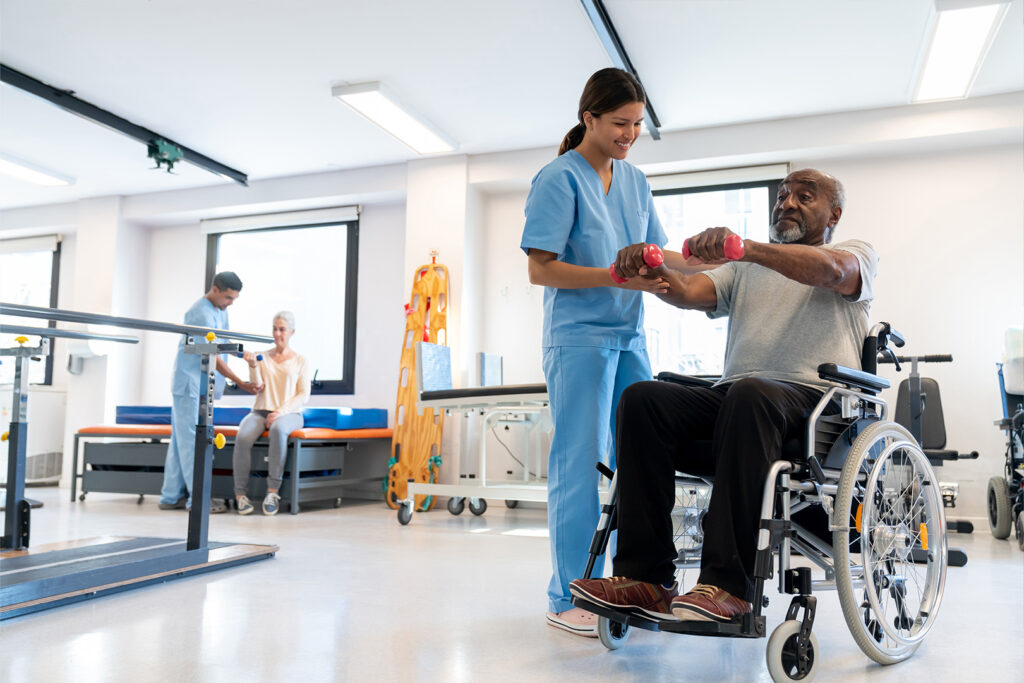
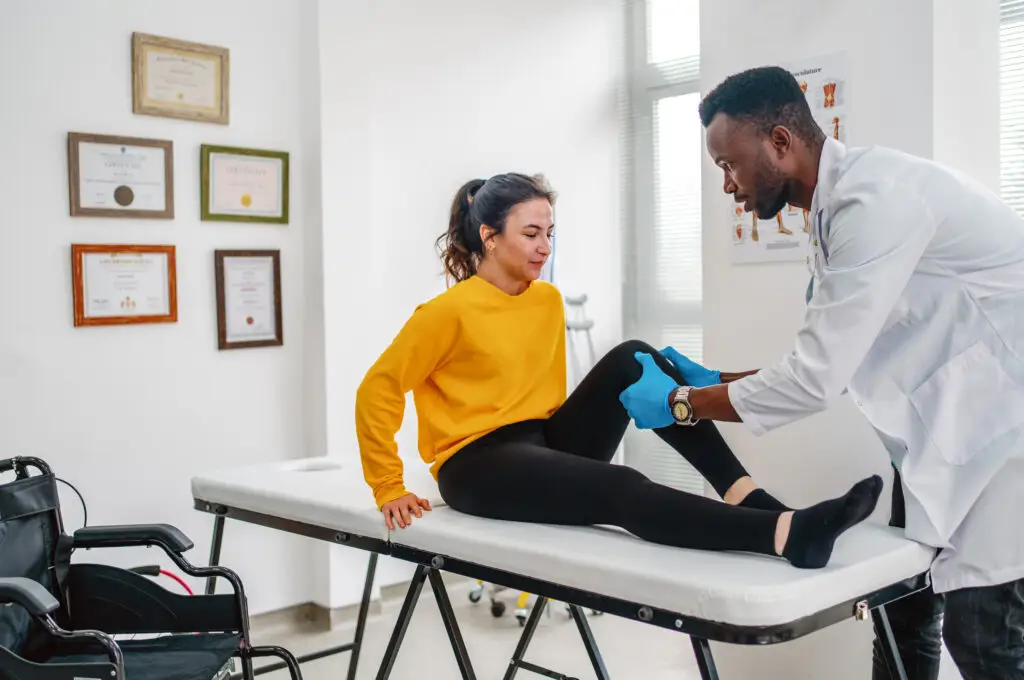
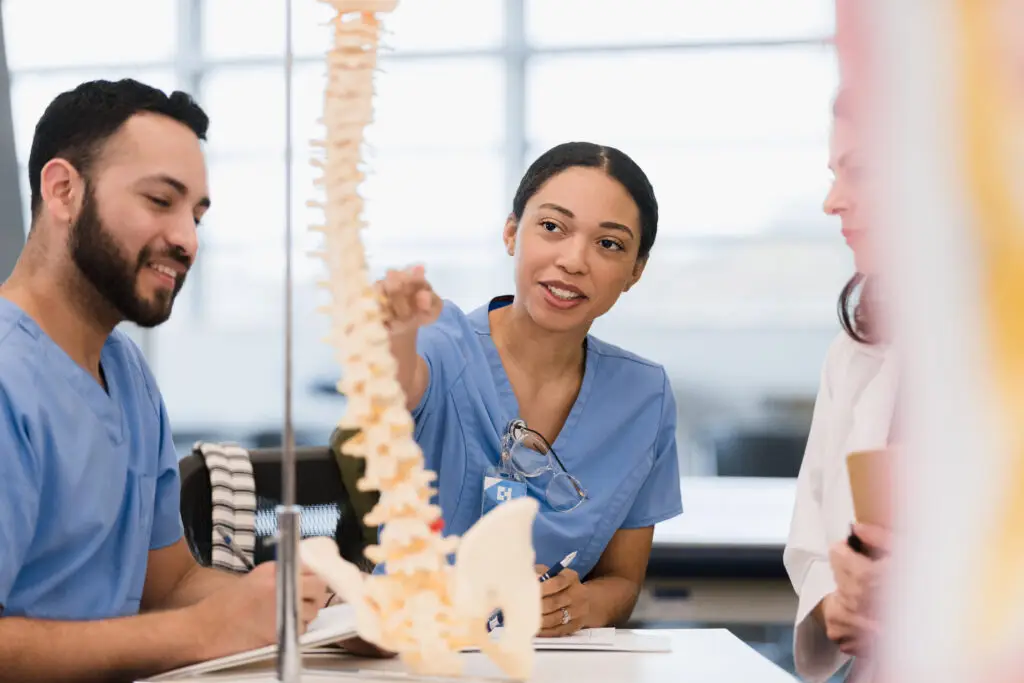
At CitiMED, we provide leading-edge diagnostic imaging services to accurately diagnose and evaluate injuries resulting from accidents. A precise diagnosis is the critical first step toward an effective recovery. Our board-certified radiologists and physicians use a suite of advanced imaging technology, including our Siemens Magnetom Espree MRI, Fluoroscopic guidance, and X-rays, to ensure we get a complete and detailed understanding of your condition.
Accurate Imaging for Your Recovery: Featuring the Siemens Magnetom Espree MRI
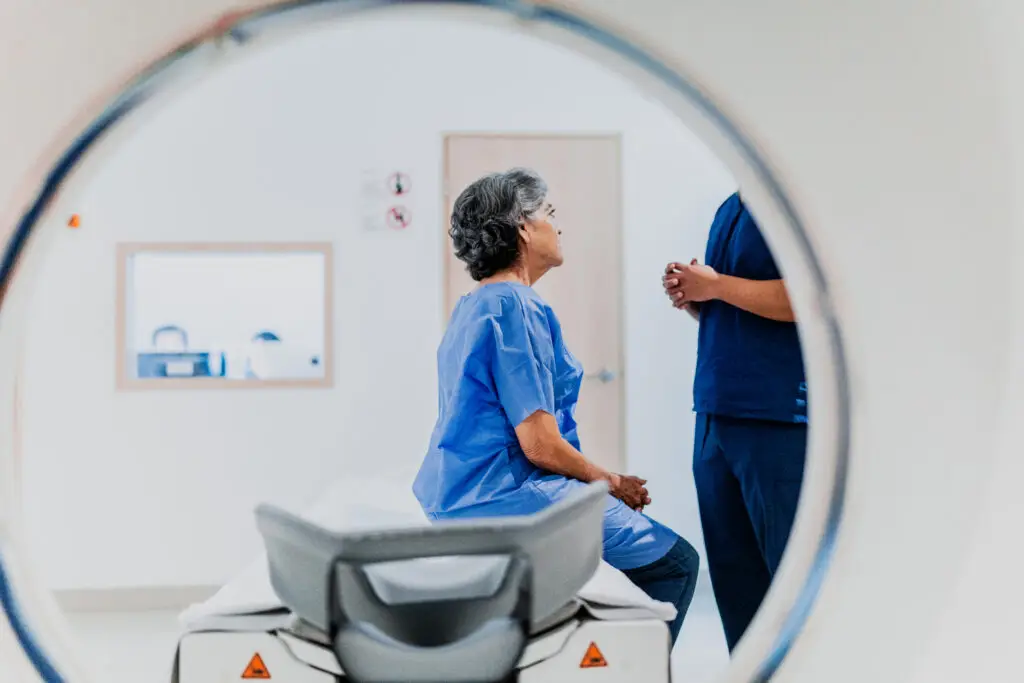
To provide the highest level of diagnostic accuracy, our center features the Siemens Magnetom Espree, a 1.5T high-field MRI system renowned for its exceptional image quality and patient-focused design. Its 70cm Open Bore is wider than traditional MRI scanners, significantly reducing anxiety and claustrophobia. This technology is essential for personal injury cases, as it can clearly show spinal injuries, fractures, knee and shoulder-related injuries, and subtle changes in soft tissue that other imaging forms might miss. As always, our MRI technology is a noninvasive tool that does not use radiation.
The Gold Standard for Evaluating Accident Injuries
Many clinicians consider high-field MRI to be the gold standard for evaluating injuries resulting from accidents. Using powerful magnets and advanced software, an MRI provides an unparalleled view of the body’s internal structures. This allows our physicians to capture definitive images for the most accurate diagnoses and to create effective treatment plans tailored to you. This level of detail is also crucial for providing the clear medical documentation needed to support your legal case
Taking the first step toward understanding your injury is simple. Fill out the form below, and our compassionate patient care team will contact you to coordinate your appointment. We are here to answer your questions and ensure you feel prepared and supported.
Prefer to call us? Dial (888) 810-2455 to set up a free in-person or virtual appointment with one of our board-certified doctors.
All The Services Accident Victims Need Under One Roof
bone, ultrasound, medical imaging, radiology, mammography, radiography, nuclear medicine, blood vessel, breast cancer, patient, tomography, image, cancer, fluoroscopy, positron emission tomography, density, medical ultrasound, disease, tissue, resonance, soft tissue, abdomen, information, brain, therapy, service, digital image processing, sound, technology, organ, radiation exposure, health, radiation, pregnancy, radiation therapy, liver, data, software, wave, magnet, blood, myelography, arthrogram, prostate cancer, radio wave, magnetic field, oncology, ge healthcare, radio, anatomy, research, risk, frequency, artificial intelligence, camera, breast, shortness of breath, pay your bill, mammograms, mri, pay, schedule, diagnostic, imaging, diagnostic imaging, cardiology, health care, injury, accident, insurance, personal injury, pain, internal bleeding, spinal cord, tendon, ligament, muscle, nerve, bleeding, joint, physical therapy, physical examination, accidents, services, car accident, injuries, auto accident, personal injury claim, medicine, exam, health insurance, ionizing radiation, surgery, pain management, back pain, evaluation, neck, dizziness, clinic, neurology, doctors, medical attention, doctor, attention, personal injury protection, complications, spinal cord compression, emergency, mri scan, mri appointment, trauma, mri scans
Frequently Asked Questions
How is MRI used?
MRI is used for detailed imaging of internal structures, helping to diagnose injuries and conditions, particularly in accident victims. It provides clear images of soft tissues, aiding in effective treatment planning and recovery.
What is imaging test?
An imaging test is a medical procedure that uses advanced technology, such as X-rays, MRI, or CT scans, to create visual representations of the inside of the body, aiding in the diagnosis and treatment of various health conditions.
Can imaging diagnose?
Imaging can diagnose medical conditions by providing detailed visual information about the body's internal structures. Techniques like MRI, X-rays, and fluoroscopy enable healthcare providers to identify injuries and assess the extent of damage, facilitating accurate treatment plans.
Is imaging necessary?
Imaging is necessary for accurately diagnosing injuries, especially for accident victims. It provides essential information that guides treatment decisions and ensures a thorough recovery process.
What conditions can MRI detect?
MRI can detect a variety of conditions, including brain tumors, spinal cord injuries, joint abnormalities, and soft tissue damage, making it essential for accurate diagnoses in accident recovery.
How does imaging assist in diagnosis?
Imaging assists in diagnosis by providing detailed visual representations of internal structures, enabling healthcare professionals to identify injuries, abnormalities, and conditions accurately. This clarity is crucial for effective treatment, particularly for accident victims.
What types of imaging tests exist?
The types of imaging tests that exist include MRI, X-rays, CT scans, ultrasound, and fluoroscopy. Each test serves a specific purpose in diagnosing and monitoring medical conditions, particularly for accident-related injuries.
When is MRI recommended for patients?
MRI is recommended for patients when detailed imaging is needed to assess soft tissue injuries, diagnose conditions like tumors or neurological disorders, and evaluate the extent of damage after accidents, ensuring accurate treatment plans.
How accurate are imaging diagnoses?
The accuracy of imaging diagnoses is crucial for effective treatment. Advanced technologies, like High-Field MRI and X-rays, provide detailed images that enhance diagnostic precision, particularly for accident victims, ensuring timely and appropriate medical interventions.
What preparation is needed for MRI?
Preparation for an MRI involves removing any metal objects, such as jewelry and clothing with zippers, and informing the technician of any medical implants or conditions. It's also advisable to wear comfortable clothing without metal fasteners.
Can imaging tests reveal soft tissue injuries?
Imaging tests can effectively reveal soft tissue injuries. Techniques such as MRI and ultrasound are particularly useful for diagnosing damage to muscles, ligaments, and tendons, helping guide appropriate treatment for recovery.
What are the risks of MRI?
The risks of MRI include potential allergic reactions to contrast agents, discomfort from the confined space, and, in rare cases, issues related to implanted medical devices that may be affected by the magnetic field.
How long does an imaging test take?
The duration of an imaging test varies based on the type of test being performed. Generally, MRI scans take about 30 to 60 minutes, while X-rays are completed in just a few minutes.
What is the role of imaging in treatment?
The role of imaging in treatment is crucial as it provides detailed insights into a patient's condition, enabling accurate diagnoses and guiding effective treatment plans. This ensures optimal recovery, particularly for accident victims.
How often should imaging be done?
The frequency of imaging should be determined by your healthcare provider based on your specific condition and recovery needs. Generally, imaging is done as needed to monitor progress or diagnose new issues, especially after an accident.
What are the benefits of MRI?
The benefits of MRI include its ability to provide detailed images of soft tissues, organs, and structures within the body, facilitating accurate diagnoses and effective treatment plans, particularly for accident victims.
Can imaging tests be repeated?
Imaging tests can be repeated if necessary. This may be required to monitor progress, reassess a condition, or ensure accurate diagnosis, especially in the context of accident recovery. Always consult your healthcare provider for guidance.
What is the cost of an MRI?
The cost of an MRI can vary based on factors such as location, facility, and whether insurance is involved. At CitiMED, we strive to provide competitive pricing and can assist you in understanding your options for payment.
How is imaging used in accident recovery?
Imaging plays a crucial role in accident recovery by providing accurate diagnoses of injuries through advanced techniques like MRI and X-rays. This helps healthcare providers create effective treatment plans and document injuries for legal purposes.
What technology is used in imaging tests?
The technology used in imaging tests includes advanced modalities such as High-Field MRI, X-rays, and fluoroscopy, which provide precise imaging for accurate diagnoses and effective treatment planning, especially for accident victims.
Are there alternatives to MRI?
Alternatives to MRI include CT scans, X-rays, and ultrasound. Each imaging method has its own advantages and may be more suitable depending on the specific medical condition being assessed.
What should patients expect during imaging?
Patients can expect a comfortable and safe experience during imaging, where advanced technology like MRI or X-rays will be used to capture detailed images, helping in accurate diagnoses and treatment planning.
How do doctors interpret imaging results?
Doctors interpret imaging results by analyzing the images produced from diagnostic tests, such as MRIs or X-rays, to identify abnormalities or injuries. They correlate these findings with patient symptoms and medical history to provide accurate diagnoses and treatment plans.
What is the difference between MRI and CT?
The difference between MRI and CT lies in their imaging techniques: MRI uses strong magnets and radio waves to produce detailed images of soft tissues, while CT utilizes X-rays to create cross-sectional images, making it better for visualizing bone structures and detecting certain injuries.
Can imaging tests help in legal cases?
Imaging tests can significantly aid in legal cases by providing objective evidence of injuries sustained during accidents. These diagnostic images can support claims, assist in determining liability, and facilitate accurate medical documentation for legal proceedings.
What follow-up is needed after imaging?
Follow-up after imaging typically involves reviewing the results with your healthcare provider to discuss findings, treatment options, and any necessary next steps for recovery or legal documentation related to your accident.
How does imaging impact patient care?
Imaging significantly impacts patient care by providing accurate diagnoses, which are essential for effective treatment plans. Advanced imaging techniques like MRI and X-rays help healthcare providers identify injuries and conditions, leading to timely and appropriate interventions for better recovery outcomes.
What advancements are there in imaging technology?
Advancements in imaging technology include high-field MRI systems that provide clearer, more detailed images, enhanced digital X-ray techniques for quicker diagnostics, and innovative fluoroscopy methods that allow real-time imaging, improving accuracy in diagnosing injuries.
What is the purpose of diagnostic imaging?
The purpose of diagnostic imaging is to provide detailed visual information about the body's internal structures, aiding in accurate diagnosis, treatment planning, and monitoring recovery, particularly for accident victims requiring precise evaluations.
How does imaging aid in surgical planning?
Imaging aids in surgical planning by providing detailed visual insights into the patient's anatomy, enabling surgeons to assess conditions accurately, strategize procedures, and anticipate potential complications, ultimately leading to improved surgical outcomes.
Diagnostic, Imaging, MRI, X-ray, Accident, Injury, Diagnosis, Radiologists, Medical, Diagnostic imaging for accident victims, Accurate imaging for your recovery, Advanced MRI technology, Siemens Magnetom Espree MRI, On-site high-field MRI scanner, Open bore MRI for comfort, Gold standard for evaluating injuries, Medical imaging for personal injury cases, Clear detailed images for accurate diagnosis, Noninvasive imaging for spinal injuries